Welcome to Smartphone Free Childhood Bermuda
Every parent eventually faces the same moment.
Your child asks for a smartphone—often earlier than you expected—because everyone else already has one.
You might have concerns. You may want to wait.
It is so hard to say no when the cost feels like social isolation, when you worry your child will be the only one left out, the only one without a phone.
Parenting alone against such a powerful social norm is incredibly difficult.
That’s why we’re coming together.
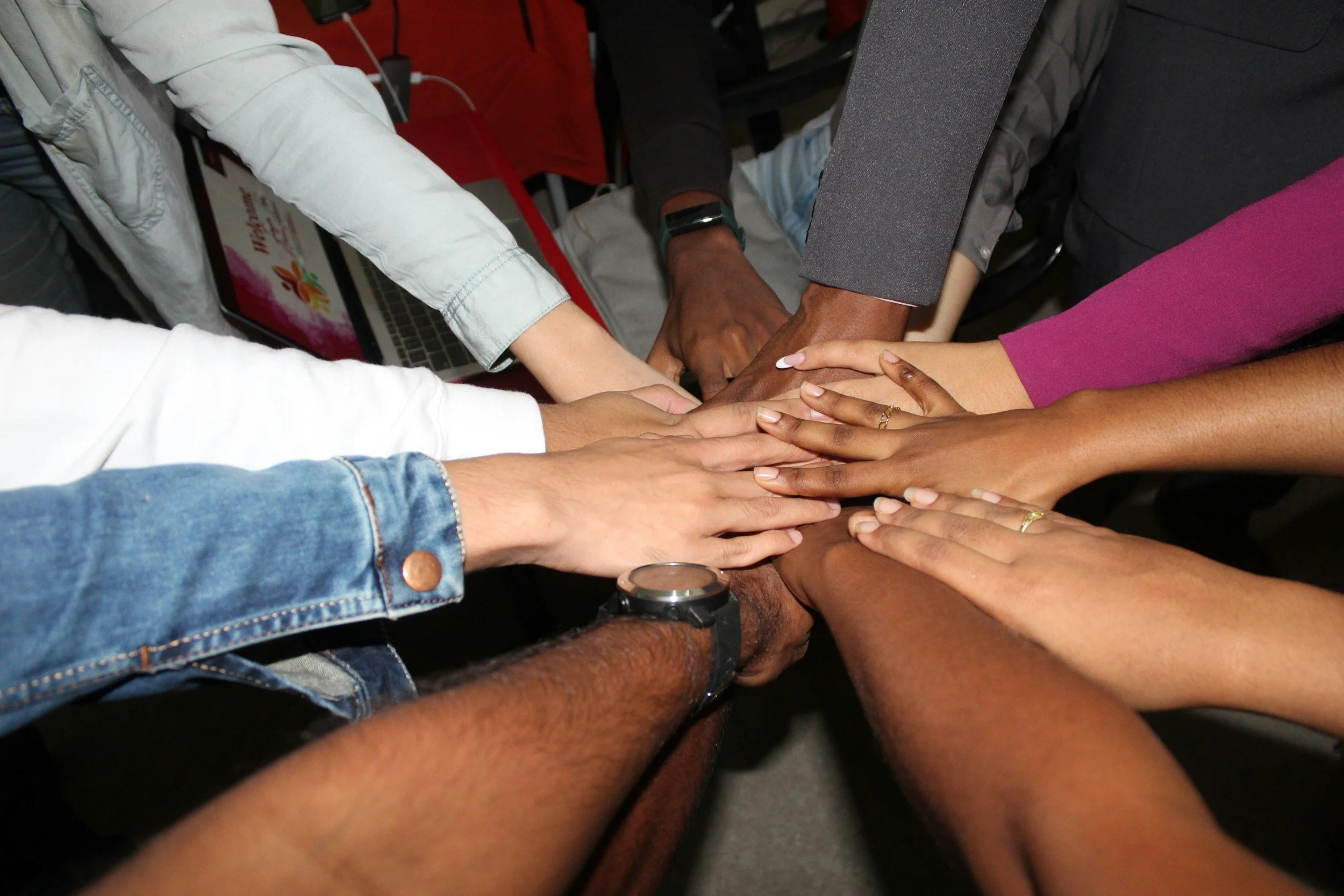
We are a growing community of parents choosing to delay smartphones until at least age 14, and social media until at least 16—together, not in isolation.
By making a shared pact, we can change the norm.
Not having a smartphone can become common, not strange. Waiting becomes easier when families know they are not alone.
Our goal is simple: to keep childhood play-based rather than phone-based, and to give our children more time before they are pulled into notifications, social comparison, online pressure, and the anxiety that so often follows.
The more families who stand together, the more freedom we all gain—to parent with confidence, and to protect childhood a little longer, until they have the tools to protect themselves.



What’s the problem?

The apps are free but we are paying with our time and attention.
Smartphones and apps were designed based on addictive gambling machines.
The winners are tech companies, profiting from our childrens’ attention.
Once a child has access to a smartphone, social media follows.
Parents feel uneasy giving their child a device. In fact many parents regret ever giving their child a smartphone.
Children can feel overwhelmed and experience an increase in anxiety.
Teachers often notice the lack of focus and an increase in class disruption.
Children can have an increased risk to damaging impacts, such as lack of sleep, poor body image, eating disorders, grooming and sextortion.


What’s the solution?
What can I do about it? I’m just one person.
It’s not all bad news!
By signing the parent pledge we rally together and become a stronger voice.
Not having a smartphone becomes the norm for our childrens’ peer groups.
By delaying, we give our children a better chance of growing up into capable, confident adults.
We give them the time to learn about how to socialise, play outside, and use their imagination before we introduce them to online activities.
We cannot wait for the government to change laws in our favour - so let’s do this now as parents. We are stronger together!